
Cholesterol Won’t Go Down? Here’s a Portfolio of Eating Strategies to Help
Inside: The Portfolio Diet is built on a strategy of combining different foods that work together to lower cholesterol levels and promote heart health. Whatever the starting point of your eating habits and individual risk factors, this provides a great example of how to create a heart-healthy diet one step at a time.
I’ve lost count of the number of people who’ve told me healthy eating doesn’t work to lower their blood cholesterol. Indeed, some people’s cholesterol is resistant to diet. Yet more often than not, when I ask what they’ve tried, it’s “A low-fat diet”. The good news: if that sounds like you, you haven’t begun to see the impact a broad-based strategy of healthy choices can make on your blood cholesterol and overall heart disease risk.
Relying on a “low-fat diet” to reduce your blood cholesterol and heart disease risk is like leaving for vacation with just one thing in your suitcase.
Broader strategies have proven potential to drop LDL cholesterol as effectively as the starting dose of statin medications and can address other heart health risks to boot. Don’t worry – a broader strategy doesn’t have to be harder, and it can pay off with multiple health benefits.
KEY TAKE-AWAY POINTS
♦ LDL-cholesterol is a strong indicator of cardiovascular risk. Advances in testing to identify people at risk and track success in reducing that risk offer additional insights, but don’t replace it as a call for action.
♦ Small dense LDL are especially high-risk particles. People with high blood triglycerides or insulin resistance may be especially prone to increased levels, so it’s important that a dietary strategy to control blood cholesterol does not focus only on limiting saturated fat.
♦ Overall dietary pattern is key to reduce LDL-cholesterol and promote overall cardiovascular health. That calls for savvy choices for foods to swap as replacements for an over-abundance of foods high in saturated fat.
♦ Limited research suggests that the overall matrix of a food may cause some foods higher in saturated fat to pose less risk than others. But for most of those foods, inconsistencies in how those studies are conducted and who participates as subjects make it premature to label them as without risk.
♦ A portfolio of foods can boost heart health benefits by amplifying reduction in total LDL-cholesterol and small dense LDL, and by offering nutrients and compounds that promote other influences on cardiovascular health.
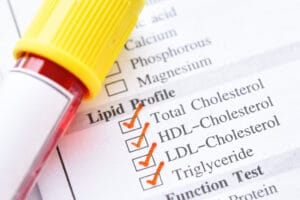
Complexities of Blood Cholesterol Tests: Yes, LDL Is Still a Target
Decades ago, lab tests simply looked at total blood cholesterol to identify people most at risk of cardiovascular disease.
But researchers pushed forward, aiming to get better at correctly identifying people at risk and finding ways to protect them. HDL (“good”) cholesterol and LDL (“bad”) cholesterol differed in whether higher numbers signaled lower risk (HDL) or higher risk (LDL).
Since then, further research has added complexity:
HDL and LDL are not the only lipoproteins (carriers of lipids like cholesterol and fat in the blood). According to mounting evidence, some lipoproteins (such as VLDL) that are more concentrated in fat (“triglycerides”) than cholesterol are at least as harmful as LDL in promoting atherosclerosis in blood vessels.
Next Question: Is Small LDL the Key to Risk?
LDL cholesterol can be categorized into subclasses as large, intermediate, small, and very small.
Can total LDL-cholesterol levels miss people at risk? Yes. Even with total LDL cholesterol numbers within a healthy range, someone could have mainly small dense LDL. This pattern of LDL particle distribution has been tied to significantly increased CVD risk in several large population studies that followed people for many years.
Is small dense LDL (sdLDL) cholesterol the most dangerous? Apparently so. These sdLDL particles seem to easily get into blood vessel walls, bind with molecules there, and become trapped. They become oxidized when exposed to oxidative stress, triggering recruitment of inflammatory cells into artery walls, beginning the damage that starts building atherosclerotic plaque.
For example, one analysis followed more than 3000 people without heart disease for over 16 years. Even after adjusting for standard risk factors (including total cholesterol, HDL, and diabetes), compared to people in the lowest quarter of sdLDL-cholesterol levels, those in the top quarter were more than twice as likely to develop atherosclerotic CVD.
Who is most likely to have elevated levels of small dense LDL particles? They tend to especially form in people with high blood triglycerides, metabolic syndrome, diabetes, chronic kidney disease, and obesity. In women, a pattern of increased small dense LDL becomes more likely after menopause.
But Don’t Let Headline Hype Mislead You: Total LDL Matters
LDLs of all sizes can cross the lining of blood vessels (the endothelium), become trapped in the blood vessel wall, and participate in development of plaque in artery walls. This plaque can block blood flow, and if ruptured, produce a blood clot that ultimately leads to a heart attack or stroke. So can the triglyceride-rich VLDLs.
Numerous studies show that a higher level of total LDL predicts greater risk of atherosclerotic CVD. Evidence from genetic studies, prospective cohort studies that follow large groups of people for many years, and randomized controlled trials (RCTs) of LDL-lowering therapy provide a consistent picture. Major U.S. and European organizations categorize recommendations to measure LDL-cholesterol and to reduce elevated levels as Strong.
Like “pack years” of smoking, the longer someone has high LDL, the greater their risk of heart disease. And the higher the LDL, the greater the risk.
LDL-cholesterol level remains a marker of cardiovascular health and a target for heart-healthy eating. Just don't assume that keeping total LDL-Cholesterol low is the only target for a heart-healthy diet. Share on XPutting Lipid Studies in Perspective
Elevated LDL-Cholesterol clearly signals increased risk of CVD. But it is not the ONLY target for heart health.
People with elevated Triglycerides (150 mg/dl or higher) may have a normal total LDL-cholesterol level that masks increased levels of small dense LDL and other blood lipids that promote atherosclerosis.
- Amidst growing numbers of people with Type 2 diabetes, metabolic syndrome, sedentary lifestyle, and obesity (especially visceral fat deep in the abdomen), this is becoming more common.
- Insulin resistance related to hypothyroidism, excess alcohol consumption, and certain medications can also trigger the increased triglyceride levels that are part of this unhealthy pattern of blood lipids.
And don’t forget: chronic inflammation, blood pressure, and blood sugar control also affect the health of blood vessels.
What you eat affects all these influences on health.
For heart-healthy eating habits:
- Make choices that support each of these aspects of health.
- Recognize individual differences in genetics, physical activity, and metabolic health that may change the priority of these factors.
Practical Points about Blood Cholesterol Tests
Small dense LDL testing has only recently been approved by the FDA for use with routine laboratory analysis equipment. Previously, these levels were measured by specialty testing methods only available as advanced lipid tests. Part of containing healthcare costs is to use specialty tests only when results would catch conditions that suggested different risk or treatment plans than would be identified by standard testing.
Additional insights may come from a variety of cholesterol-related blood tests:
Non-HDL cholesterol includes all types of LDL-cholesterol, including the largely inherited indicator of risk known as Lp(a) [pronounced “LP little a”], and also includes cholesterol carried in triglyceride-rich lipoproteins.
ApoB is the protein present in all the lipoprotein particles that promote atherosclerosis. Guidelines from major groups differ, but some suggest that ApoB measures may be especially helpful in screening or monitoring treatment of people with high triglyceride levels, diabetes, obesity, metabolic syndrome, or very low LDL-Cholesterol levels.
LDL-P measures the number of LDL particles rather than the weight of LDL-cholesterol. High LDL-P often reflects more of the small dense LDL. In some studies, it was no better than other tests at predicting CVD risk. In others, it was associated with risk beyond what was identified by traditional lipid tests. Since blood vessel damage seems largely to depend on exposure to LDL-cholesterol, the National Lipid Association concludes that LDL-P seems more informative than LDL particle size (such as small dense LDL).
How Eating Habits Can Support Healthy Cholesterol Levels
How did heart-healthy eating get so complicated? In part, it’s made challenging by trying to figure out which cholesterol-related markers present the most important target.
While the research on cholesterol tests continues, the smart strategy is to create eating habits that support healthy levels of all these biomarkers, not just one.

Cut Total LDL-Cholesterol with Choices Low in Saturated Fat
In an analysis of 74 randomized controlled trials (RCTs) using controlled diets, each 1% of calories from saturated fat replaced by the same calories from another source produced the following effects:
- Polyunsaturated fat (PUFA) as a replacement for saturated fat produced the greatest drop in LDL (2.1 mg/dl).
- Monounsaturated fat (MUFA) as a replacement for saturated fat produced a smaller drop in LDL (1.6 mg/dl), although this could still add up to be beneficial.
- Carbohydrate as a replacement for saturated fat produced the smallest drop in LDL (1.3 mg/dl). Of concern, it raised triglycerides levels modestly (0.97 mg/dl). Although this triglyceride rise may be minor, it’s an unwanted direction for most people. And since these RCTs involved only people who did not have diabetes, it’s possible that for some people, the rise in triglyceride levels could be larger.

Manage Small LDL with Better Swaps for Saturated Fat
Small dense LDL are formed as triglyceride-rich lipoproteins like VLDL are broken down.
Early studies suggest that if you replace saturated fat with carbohydrate, although total LDL may drop, the damaging small dense LDL may increase. However, in studies showing this, about half the carbohydrate was in the form of sugars rather than nutrient- and fiber-rich foods like whole grains and vegetables.
So what does that mean about savvy food choices?
1) Choose foods to replace saturated fat that don’t promote large rises in triglycerides and the elevated levels of insulin that prompt the body to produce more VLDL. Helpful choices:
- Foods with unsaturated fat.
- Foods high in fiber (especially viscous and fermentable types).
- Foods with carbohydrate that is broken down more slowly.
- And foods with polyphenols (a particular category of natural plant compounds) may also help, suggests emerging research.
2) Choose foods and portions that allow you to avoid excess calories and maintain an individually healthy weight. This reduces the body’s trigger to over-produce the triglyceride-rich lipoproteins that lead to higher small dense LDL-cholesterol.
Some people (like those with insulin resistance and metabolic syndrome) may be especially prone to higher levels of small dense LDL based on the carbohydrate choices in their diets. But even in these people, when dietary carbohydrate is similar, a diet higher in unsaturated fat instead of saturated fat (mainly from high-fat dairy products) reduced total LDL and small dense LDL.
And look beyond effects on LDL, too.
Randomized controlled trials show that replacing saturated fat with unsaturated fat (PUFA or MUFA) or with carbohydrate reduces ApoB levels, the marker that includes all atherosclerosis-promoting lipids.
An analysis of 15 RCTs that all followed people for at least two years concluded that reducing dietary saturated fat reduced cardiovascular events (which included deaths as well as non-fatal heart attacks, stroke, unplanned bypass surgery, and more). Results varied, and studies with greater reduction in saturated fat resulted in greater reductions in cardiovascular disease events. And in these studies, not only PUFA, but also carbohydrate as a replacement for saturated fat was effective.
In a study that followed men and women for 24 to 30 years – checking eating habits every four years – people whose diets were lower in saturated fat developed markedly less heart disease.
- An achievable 5% fewer calories from saturated fat achieved by including more unsaturated fat reduced heart disease risk the most — by 15 to 25 percent.
- Limiting saturated fat and consuming more carbohydrate from whole grains — but not more refined carbohydrates — was linked with a somewhat smaller, but still valuable, reduction in heart disease risk. (And based on results of other studies, swapping saturated fat for carbohydrate in plant sources of protein, like dried beans and lentils, is also associated with lower cardiovascular disease risk.)
- People with highest consumption of refined starches and added sugar developed more heart disease.
But Is All Saturated Fat the Same?
Just as carbohydrate-rich foods differ in how they affect blood lipids and heart health, even within the category of saturated fat, emerging research shows that foods high in saturated fat may have different effects.
Current research in this area does not yet provide clear and consistent answers.
Amidst significant controversies, here is what my examination of authoritative reviews of the research suggests as it stands today.
Chocolate
Stearic acid is a saturated fatty acid that does not raise blood cholesterol. About 30% of the fat in either dark or milk chocolate is stearic acid, which may explain why studies repeatedly show that neither type of chocolate raises blood cholesterol.
Dark chocolate offers an added benefit because it contains higher levels of flavanols (a type of polyphenol phytocompound) than milk chocolate. Controlled intervention studies found that small amounts of dark chocolate (or cocoa powder that retains high flavanol content) may improve blood vessel health and modestly reduce blood pressure in people with hypertension.
One caution: if you consume chocolate mainly as an ingredient in high-sugar foods concentrated in calories, it’s likely detracting rather than contributing to a heart-healthy diet.
Coconut oil
Some claims suggest that coconut oil’s saturated fat is a type with shorter fatty acid chains that aren’t metabolized like other saturated fatty acids. But that’s not quite true; most of coconut’s fat is handled like other saturated fats. Coconut oil doesn’t raise LDL-cholesterol as much as butter, but most studies suggest it raises LDL more than unsaturated plant oils.
One trial did not find a difference in LDL-cholesterol between extra virgin coconut oil and extra virgin olive oil. However, this is not consistent with other studies, so further study is needed. And it’s not clear that this would be true for other unsaturated oils or in other subjects. And studies on inflammation are limited and inconsistent.
Observational studies of populations using coconut extensively for many years generally involve people with numerous differences in diet, physical activity and lifestyle than are typical in the US.
Many of the claims people read about coconut oil products are based on animal studies or studies of isolated fatty acids. More human controlled trials and longer-term observational studies are needed to understand effects on cardiovascular health, and how different types of coconut oil-containing products may vary.
Meanwhile, the National Lipid Association recommends that coconut oil be used only within the context of a healthy dietary pattern that limits saturated fat. One tablespoon contains half (or more) of the recommended limit on saturated fat for most people. So occasional use for its unique flavor in particular dishes may not be a problem, but overall research does not support claims that coconut oil is a heart-healthy choice.
Butter
Simply comparing people with higher butter consumption to people with little or no butter consumption does not show an increased risk of CVD. However, that provides an incomplete picture.
The essential question when looking at studies about butter in a heart-healthy diet is to start with what is being compared to butter.
Compared to other unsaturated oils, even moderate amounts of butter increase the atherogenic ApoB particles and produce clinically meaningful increases in LDL-cholesterol.
- People differ in their sensitivity to these effects. For some people, limited amounts of butter within an overall heart-healthy diet may not increase CVD risk.
- But especially for people who have higher LDL cholesterol to start, butter seems to raise levels even higher and has a stronger LDL-raising effect than a similar amount of saturated fat from cheese.
Dairy: Milk, Cheese, Yogurt
One of the most nuanced questions about saturated fat in a heart-healthy diet involves choices about dairy products – specifically milk, cheese, and yogurt. Studies generally show that these foods reduce risk of high blood pressure.
Dairy products like whole milk and full-fat cheese and yogurt do increase consumption of saturated fat. But some research suggests that these foods may not pose as much risk to heart health as we once thought.
The important question: “What’s the comparison?”
- Compared to unsaturated fat? In a controlled intervention trial, LDL-cholesterol and ApoB (the collection of atherosclerosis-promoting lipoproteins) were higher after 4 weeks with high-fat cheese than with unsaturated fats (MUFA or PUFA). And this was especially true for people who had higher LDL-cholesterol levels at baseline.
- In people prone to high LDL-cholesterol or to high triglycerides? Another controlled intervention involved people with metabolic syndrome (more likely to have high triglycerides, their average baseline LDL-cholesterol was within recommended limits). Adding whole milk and full-fat cheese and yogurt had no effects on blood lipids compared with diets that limited dairy or that were rich in low-fat dairy. However, after 12 weeks the high-fat dairy group did have modest increases in weight and waist size that might be a concern if the trend continued long term…especially in these people who already had metabolic syndrome.
- Compared to meat? An analysis of observational studies (prospective cohorts) that followed men and women for up to 20 to 32 years found no association with development of CVD across different levels of dairy fat in the diet. But comparing dairy fat with different levels of other fats gives a complex picture.
- Dairy fat (from milk, cheese and yogurt) is associated with a slightly lower CVD risk compared to other animal fat.
- But dairy fat is linked with significantly greater CVD risk compared to unsaturated fatty acids or to whole grains.
Emerging research is looking at how the composition of a whole food might influence the food’s effects on blood lipids and cardiovascular health beyond what can be predicted from one single nutrient like saturated fat. For dairy products, some studies suggest that full-fat cheese and yogurt in particular may be more “neutral” in effect.
Additional high-quality research is needed. Meanwhile, at least for people with elevated LDL-cholesterol or CVD, choosing mostly low-fat and nonfat dairy foods is suggested as a reasonable strategy.

Focus on Eating Pattern and Include Foods with Extra LDL-Cutting Benefits
Findings from research – and the recommendations about heart-healthy eating that are built on them – have pivoted from their earlier focus.
Make overall healthy eating pattern the #1 focus.
Move beyond thinking only of what foods to limit. Explore foods you can add with power to reduce unhealthy blood lipids and promote other aspects of cardiovascular health.
Start with the 4 Pillars of the Portfolio Diet
An approach known as the Portfolio Diet – which is low in saturated fat and adds foods that help lower blood cholesterol — offers impact far beyond the drop in LDL from even substantial cuts in saturated fat alone.
- The diet slashed LDL-cholesterol 30% in controlled intervention trials with food provided for people. That’s comparable to starting doses of statin medications.
- When tested in home conditions requiring people to plan and prepare their own meals, they met only about half of the diet’s goals, yet still reduced LDL-cholesterol by 10% to 15%. And about a third of people in one such study achieved at least a 20% drop in LDL levels.
- The Portfolio Diet also produced clinically meaningful drops in non-HDL cholesterol, ApoB, triglycerides, and CRP (a marker of inflammation). And the drop in LDL includes a drop in high-risk small LDL.
To evaluate how a Portfolio Diet might influence long-term cardiovascular health, researchers used a scoring system to categorize how closely women’s diets fit the diet’s guidelines. After follow-up of about 15 years, compared to people with lowest scores for fit with the Portfolio goals, those with the top quarter of scores 14% less likely to have developed heart disease.
The Portfolio approach includes four categories of foods. Independently, each can lower LDL-cholesterol by 5% to 10% when part of daily eating habits. 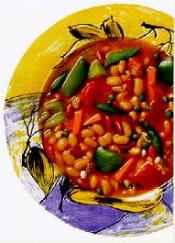
- Plant protein includes soy foods and pulses like dried beans and lentils.
- Viscous fiber in the Portfolio Diet studies came from oats, barley, eggplant, okra, apples, oranges, and berries, as well as added psyllium. You can also get viscous fiber from dried beans and some other fruits and vegetables. Chia seeds and ground flaxseeds are also top sources of viscous fiber that can be added to a wide range of foods through the day.
- Nuts in the original intervention trials of the Portfolio Diet were almonds. But research shows benefits of walnuts, pistachios and other nuts for heart health and lower LDL-cholesterol. All nuts, including peanuts and nut butters, are now included in Portfolio Diet guidelines. A two-year controlled trial of daily walnut consumption showed that reductions in LDL included reduced numbers of small dense LDL particles.
- Plant sterols (phytosterols) occur naturally in a variety of plant foods. But research shows that it takes at least 1 gram/day of plant sterols to reduced LDL, which is not realistically attainable from small amounts in fruits, vegetables, grains, and oils. The Portfolio Diet studies target 2 grams/day, the generally recommended goal for reducing LDL-cholesterol. Reaching this amount requires foods such as certain spreads, bars, or beverages with added sterols or stanols (similar plant compounds), or supplements.
Monounsaturated fat from oil or avocadoes — as a replacement for some carbohydrate-containing foods — was added in one small trial testing a variation of the Portfolio Diet. LDL-cholesterol, non-HDL cholesterol and triglycerides were reduced as well as, but no more than, with the original version of the diet. However, those with extra MUFA showed more improvement in other markers of heart health, including more than a 56% drop in a marker of inflammation.

Super Charge an Eating Pattern for Even More Cardiovascular Protection
What might you expect from an eating pattern that combines both strategies?
- Including a wide range of nutrient-rich foods
- AND limiting foods high in saturated fat
Here’s an example from the CARDIA study, a major US observational (prospective cohort) study that has followed thousands of adults from the time they were young adults. Two different scoring systems categorized their eating habits over several points in time across 20 years.
- One score awarded points based on saturated fat and polyunsaturated fat (PUFA) content.
- Another score distributed points based on 20 foods rated beneficial and 13 foods deemed unbeneficial based on previous research. Higher points on this score signaled a diet low in saturated fat and also high in fiber and other nutrients.
Here’s what the researchers found:
- The two scoring systems were both associated with changes in LDL-cholesterol and non-HDL cholesterol at multiple points throughout the study.
- However, after 32 years of follow-up, the score focused on overall diet quality was far better at predicting who developed heart disease.
- Higher LDL-cholesterol was strongly predictive of greater heart disease risk.
- And the association of overall diet quality and heart disease risk continued even after adjusting for LDL.
Create Your Own Portfolio of Choices
There is an option between packing a suitcase with just one thing and feeling like you’re jamming your whole closet in your bag.

Focus on the bevy of foods that offer multiple benefits — they’re low in saturated fat and provide protective fiber, nutrients, and plant compounds. By packing your eating “portfolio” with these multi-tasking choices, you can promote heart health and still pack light.
Contrary to headlines you may see, there is no single eating pattern that is unquestionably best to protect heart health in everyone. For example, two different patterns are highlighted in major recommendations for cardiovascular health:
The DASH diet, originally developed to reduce blood pressure, also reduces LDL-cholesterol in randomized controlled trials.
A Mediterranean diet comes in many different forms. Overall evidence is most supportive of help reducing elevated triglycerides and metabolic syndrome than for lowering LDL-cholesterol. But a few tweaks of choices could make it an LDL-slasher, too.
Comparing dietary patterns linked with healthy levels of biomarkers of cardiovascular health and with lower risk of CVD over many years, shows common threads among the Portfolio Diet, the DASH diet, the Mediterranean diet, and the nutrient-rich plant-focused dietary pattern indicated by CARDIA study scoring.
And there’s plenty of room to create your own personal portfolio, combining strategies focused on the risk factors most significant to your health with foods that fit your personal and family preferences.
Take-home ideas to focus on overall diet quality and healthy types of fat, not just less fat:
• For everyday cooking and additions to vegetables and grains, choose an unsaturated oil instead of butter.
• Switch from snacking on pastries and cookies to nuts and fruit, not fat-free cookies and pretzels.
• Choose leaner meat and poultry. Eat more seafood, but not choices that are deep-fried or batter-coated.
• Switch from donuts to oatmeal. Add barley and beans to soup and mixed dishes instead of sausage or large portions of white rice. (Add extra flavor with onion, garlic or spices like fennel.)
• If you’re treating yourself to some chocolate, savor the chocolate. And remember: chocolate doesn’t turn desserts high in sugar or saturated fat into something “heart healthy”.
Bottom Line on a Diet to Lower Cholesterol
LDL-cholesterol – both small dense LDL and total LDL particles — remains an important benchmark of cardiovascular health. Just remember that it’s exactly that – one marker of the true target, which is decreasing development of heart disease and promoting overall health. Eating habits can also reduce inflammation; help control blood pressure; and promote healthy levels of triglycerides, blood sugar, and insulin.
Individual differences in hereditary traits and metabolic factors (like insulin resistance) cause differences in tendencies to develop high LDL-cholesterol and the high triglycerides that produce small dense LDL. So people differ in which elements of a healthy diet have the biggest impact.
Focus on moving step-by-step toward eating habits that limit both saturated fat and added sugars. And do it in the context of a diet rich in foods high in fiber and nutrients like whole grains, vegetables, fruits, beans, and nuts.
Sign up: If you aren’t already receiving my research reviews by email, sign up so you won’t miss any of the fascinating topics coming in future reviews! Just click here.
Want to learn more about tests that measure LDL-cholesterol and other lipids?
Check the National Lipid Association’s 2-page summary of its 2021 Scientific Statement, Lipid Measurements in the Management of Cardiovascular Diseases: Practical Recommendations.
Want help checking the saturated fat, unsaturated fat, or fiber content of a food without looking at a packaged food label?
Explore the massive USDA database called FoodData Central.
Want a tip sheet that explains Plant Sterols and Stanols in Food and Supplements?
Check this printable from the National Lipid Association Clinician’s Lifestyle Modification Toolbox.
Want to learn more about Flaxseed, one of the foods high in viscous fiber that can be included in eating habits to lower LDL-cholesterol?
Check the Healthy Flax website created by a group of Canadian organizations that grow and promote flaxseed.
You can find more information about flaxseed and tasty recipe ideas for using it.
- Although some recipes are focused on flaxseed oil, it’s the ground flaxseed that is the form that lowers LDL-cholesterol.
- For some recipes, you may want to make adaptations to keep sodium and added sugars in hand.
Borén J, Chapman MJ, Krauss RM, et al. Low-density lipoproteins cause atherosclerotic cardiovascular disease: pathophysiological, genetic, and therapeutic insights: a consensus statement from the European Atherosclerosis Society Consensus Panel. Eur Heart J. 2020 Jun 21;41(24):2313-2330. doi: 10.1093/eurheartj/ehz962.
Brassard D, Tessier-Grenier M, Allaire J, et al. Comparison of the impact of SFAs from cheese and butter on cardiometabolic risk factors: a randomized controlled trial. Am J Clin Nutr. 2017 Apr;105(4):800-809. doi: 10.3945/ajcn.116.150300.
Chen M, Li Y, Sun Q, et al. Dairy fat and risk of cardiovascular disease in 3 cohorts of US adults. Am J Clin Nutr. 2016 Nov;104(5):1209-1217. doi: 10.3945/ajcn.116.134460.
Chiavaroli L, Nishi SK, Khan TA, et al. Portfolio Dietary Pattern and Cardiovascular Disease: A Systematic Review and Meta-analysis of Controlled Trials. Prog Cardiovasc Dis. 2018 May-Jun;61(1):43-53. doi: 10.1016/j.pcad.2018.05.004.
Chiu S, Williams PT, Krauss RM. Effects of a very high saturated fat diet on LDL particles in adults with atherogenic dyslipidemia: A randomized controlled trial. PLoS One. 2017;12(2):e0170664. doi: 10.1371/journal.pone.0170664.
Choi Y, Gallaher DD, Svendsen K, et al. Simple Nutrient-Based Rules vs. a Nutritionally Rich Plant-Centered Diet in Prediction of Future Coronary Heart Disease and Stroke: Prospective Observational Study in the US. Nutrients. 2022; 14(3):469. https://doi.org/10.3390/nu14030469
Glenn AJ, Lo K, Jenkins DJA, Boucher BA, Hanley AJ, Kendall CWC, Manson JE, Vitolins MZ, Snetselaar LG, Liu S, Sievenpiper JL. Relationship Between a Plant-Based Dietary Portfolio and Risk of Cardiovascular Disease: Findings From the Women’s Health Initiative Prospective Cohort Study. J Am Heart Assoc. 2021 Aug 17;10(16):e021515. doi: 10.1161/JAHA.121.021515.
Hirahatake KM, Astrup A, Hill JO, et al. Potential Cardiometabolic Health Benefits of Full-Fat Dairy: The Evidence Base. Adv Nutr. 2020 May 1;11(3):533.
Hoogeveen RC, Gaubatz JW, Sun W, et al. Small dense low-density lipoprotein-cholesterol concentrations predict risk for coronary heart disease: the Atherosclerosis Risk In Communities (ARIC) study. Arterioscler Thromb Vasc Biol. 2014 May;34(5):1069-77. doi: 10.1161/ATVBAHA.114.303284.
Hooper L, Martin N, Jimoh OF, et al. Reduction in saturated fat intake for cardiovascular disease. Cochrane Database Syst Rev. 2020 Aug 21;8(8):CD011737. doi: 10.1002/14651858.CD011737.pub3.
Ikezaki H, Lim E, Cupples LA, et al. Small Dense Low-Density Lipoprotein Cholesterol Is the Most Atherogenic Lipoprotein Parameter in the Prospective Framingham Offspring Study. J Am Heart Assoc. 2021 Feb;10(5):e019140. doi: 10.1161/JAHA.120.019140.
Jacobson TA, Maki KC, Orringer CE, et al. National Lipid Association Recommendations for Patient-Centered Management of Dyslipidemia: Part 2. J Clin Lipidol. 2015 Nov-Dec;9(6 Suppl):S1-122.e1. doi: 10.1016/j.jacl.2015.09.002.
Jakobsen MU, Trolle E, Outzen M, et al. Intake of dairy products and associations with major atherosclerotic cardiovascular diseases: a systematic review and meta-analysis of cohort studies. Sci Rep. 2021;11:1303.
Jones PJH, Shamloo M, MacKay DS, et al. Progress and perspectives in plant sterol and plant stanol research. Nutr Rev. 2018;76(10):725-746. doi:10.1093/nutrit/nuy032
Keller A, Wallace TC. Tea intake and cardiovascular disease: an umbrella review. Ann Med. 2021 Dec;53(1):929-944. doi: 10.1080/07853890.2021.1933164.
Khaw KT, Sharp SJ, Finikarides L, Afzal I, Lentjes M, Luben R, Forouhi NG. Randomised trial of coconut oil, olive oil or butter on blood lipids and other cardiovascular risk factors in healthy men and women. BMJ Open. 2018 Mar 6;8(3):e020167. doi: 10.1136/bmjopen-2017-020167.
Lee DPS, Low JHM, Chen JR, et al. The Influence of Different Foods and Food Ingredients on Acute Postprandial Triglyceride Response: A Systematic Literature Review and Meta-Analysis of Randomized Controlled Trials. Adv Nutr. 2020 Nov 16;11(6):1529-1543. doi: 10.1093/advances/nmaa074.
Li Y, Hruby A, Bernstein AM, et al. Saturated Fats Compared With Unsaturated Fats and Sources of Carbohydrates in Relation to Risk of Coronary Heart Disease: A Prospective Cohort Study. J Am Coll Cardiol. 2015 Oct 6;66(14):1538-1548. doi: 10.1016/j.jacc.2015.07.055.
Lichtenstein AH, Appel LJ, Vadiveloo M, et al. 2021 Dietary guidance to improve cardiovascular health: a scientific statement from the American Heart Association. Circulation. 2021 Dec 7;144(23):e472-e487. doi: 10.1161/CIR.0000000000001031
Mach F, Baigent C, Catapano AL, et al. 2019 ESC/EAS Guidelines for the management of dyslipidaemias: lipid modification to reduce cardiovascular risk. Eur Heart J. 2020 Jan 1;41(1):111-188. doi: 10.1093/eurheartj/ehz455.
Mensink RP. Effects of saturated fatty acids on serum lipids and lipoproteins: a systematic review and regression analysis. World Health Organization: Geneva. 2016.
Ried K, Fakler P, Stocks NP. Effect of cocoa on blood pressure. Cochrane Database Syst Rev. 2017 Apr 25;4(4):CD008893. doi: 10.1002/14651858.CD008893.pub3.
Schmidt KA, Cromer G, Burhans MS, et al. Impact of low-fat and full-fat dairy foods on fasting lipid profile and blood pressure: exploratory endpoints of a randomized controlled trial. Am J Clin Nutr. 2021 Sep 1;114(3):882-892. doi: 10.1093/ajcn/nqab131.
Schoeneck M, Iggman D. The effects of foods on LDL cholesterol levels: A systematic review of the accumulated evidence from systematic reviews and meta-analyses of randomized controlled trials. Nutr Metab Cardiovasc Dis. 2021 May 6;31(5):1325-1338.
Schwingshackl L, Bogensberger B, Benčič A, et al. Effects of oils and solid fats on blood lipids: a systematic review and network meta-analysis. J Lipid Res. 2018 Sep;59(9):1771-1782. doi: 10.1194/jlr.P085522.
Tokgozoglu L, Orringer C, Ginsberg HN, Catapano AL. The year in cardiovascular medicine 2021: dyslipidaemia. Eur Heart J. 2022 Jan 3:ehab875. doi: 10.1093/eurheartj/ehab875
Wilson PWF, Jacobson TA, Martin SS, et al. Lipid measurements in the management of cardiovascular diseases: Practical recommendations a scientific statement from the national lipid association writing group. J Clin Lipidol. 2021 Sep-Oct;15(5):629-648. doi: 10.1016/j.jacl.2021.09.046.
Zhang Y, Vittinghoff E, Pletcher MJ, et al. Associations of Blood Pressure and Cholesterol Levels During Young Adulthood With Later Cardiovascular Events. J Am Coll Cardiol. 2019 Jul 23;74(3):330-341. doi: 10.1016/j.jacc.2019.03.529.
Portfolio Briefcase: dannyiacob at 123rf.com – 69638140
Lipid Profile: jarun011 at 123rf.com – 144788783
Published : January 25, 2022 | Last Updated: June 1, 2022
Tagged: blood cholesterol, DASH diet, fiber, healthy diet, healthy eating, healthy fats, heart disease, LDL, LDL-cholesterol, low-fat diet, nuts, plant sterols, plant-based diet, portfolio diet, saturated fat, small dense LDL
Meet the author/educator

Karen Collins
MS, RDN, CDN, FAND
I Take Nutrition Science From Daunting to Doable.™
As a registered dietitian nutritionist, one of the most frequent complaints I hear from people — including health professionals — is that they are overwhelmed by the volume of sometimes-conflicting nutrition information.
I believe that when you turn nutrition from daunting to doable, you can transform people's lives.
Accurately translating nutrition science takes training, time and practice. Dietitians have the essential training and knowledge, but there’s only so much time in a day. I delight in helping them conquer “nutrition overwhelm” so they can feel capable and confident as they help others thrive.
I'm a speaker, writer, and nutrition consultant ... and I welcome you to share or comment on posts as part of this community!