
Summer Gazpacho: Lycopene-in-a-Bowl
Some may call it summer-in-a-bowl, others focused on nutritional content may call it lycopene-in-a-bowl: Gazpacho. For me, this chilled tomato-based soup is a quintessential summer dish. Tomatoes are the source of the vast majority of our lycopene intake, a compound that among other things seems to play a role in warding off prostate cancer, at least when it comes from food sources that provide lycopene and a whole lot more. (There’s more on that in my previous Smart Bytes® post.)
Not long ago, as we were in the midst of the summer’s major heat wave, while I sat working at my computer, thoughts rumbled in the back of my mind. What on earth could I put together for dinner with minimal effort in such heat? I put out a call to my colleagues. “What is the secret to making the world’s best gazpacho?” I quickly found that I have lots of company as a fan of this dish!
Today in Smart Bytes®, I’ll share a few of the ideas that came in about making great gazpacho. If you are new to this tantalizingly refreshing soup, or new to making it, I hope this will encourage you to give it a try. If you have perfected what makes great gazpacho in your kitchen, then I do hope you’ll share your secrets in the Comments section below.
The Basics of Gazpacho
When I make gazpacho, it’s often as a last minute idea, when I can’t stand the thought of something heat- or time-intensive. That means I make it with whatever ingredients I have on hand, and it comes out a little differently each time. 
Here’s my basic starting point recipe:
1 sweet red bell pepper, seeded and chopped
1 cucumber, unpeeled, cut in half to scrape out seeds with a spoon, coarsely chopped (about 1-inch pieces)
½ -1 red onion, depending on size and taste preference, in about 1-inch chunks
1-2 stalks celery, coarsely chopped
2-3 garlic cloves, minced
4 plum tomatoes, coarsely chopped
3 cups low-sodium tomato or tomato-vegetable juice (I like Low-Sodium V8, usually the “Spicy Hot”)
2 Tbsp. sherry or white wine vinegar
2 Tbsp. olive oil
About ¼ cup of chopped fresh cilantro
Freshly ground pepper to taste
Place the red pepper, cucumber, onion, celery and garlic in a food processor and pulse until a coarse purée (or stop sooner if you prefer a chunkier texture). Add tomatoes and remaining ingredients, again pulsing until it reaches the texture you prefer. Chill until ready to serve.
Variations: Where the Fun Starts
That’s just the basic concept – depending on what’s on hand, individual tastes and your mood on a given day, you could probably make a different version of gazpacho every day of the summer. Here’s a starter to begin your fun:
♦ Want a main dish? For me, gazpacho night often means a night I don’t feel like cooking. So to turn gazpacho into a main dish, I often add garbanzo beans to provide protein (as well as fiber and other nutrients). Canned beans are easy to use. Drain and rinse them to remove about 40 percent of the sodium load, and add them when puréeing. They add a thicker texture that gives the soup a terrific mouthfeel.
Others noted that they like to add a few scallops. Others, like Chef Allison Stevens, MS, RD, LD, founder of gluten-free meal planning website PrepDish.com, suggested topping gazpacho with roasted or boiled shrimp. 
♦ No cilantro? When I don’t have cilantro, I use fresh basil from the pot I grow outside all summer. This is a dish where I don’t think dried herbs work. You might try chopped green onion tops. Alternatively, just skip the herbs if you have none – the soup will still be delicious.
♦ Tweak the flavor by using roasted red pepper instead of fresh pepper. That’s another of Allison Stevens’ tips, and she notes that it may take two or three of the roasted peppers to get the right depth of flavor.
Fire-roasted canned tomatoes are a trick dietetic intern Sarah Worah recommends. She says that not only are they super easy to use, they add a very nice flavor.
♦ What kind of vinegar? The choice of what acidic ingredient to add was the subject of many responses from my colleagues. 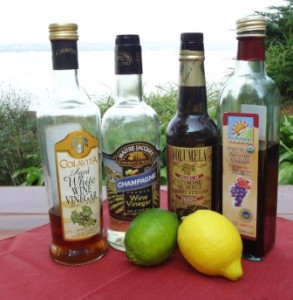
Like me, Sarah Worah particularly likes sherry vinegar for the flavor it adds without being too intense or sweet. When she doesn’t have it, champagne vinegar is among her go-to choices. Fellow gazpacho-lover Jill Weisenberger, MS, RD, CDE, author of Diabetes Weight Loss Week by Week, says she considers good vinegar one of the keys to a great result. She likes to use rice vinegar or a “really good” balsamic vinegar. (Side note, Jill has a Vitamix blender, which she loves for pulling together an uber-fast gazpacho.)
Alternatively, don’t use vinegar at all. Several people recommended squeezing in fresh lemon juice instead. I’ve even made it with lime juice.
♦ For the Unexpected Touch, Erin Macdonald, R.D., aka U Rock Girl, likes to add fruit, either pineapple, peach, or mango. She finds the hit of sweet complements and balances out acidity and spice, and earlier this summer shared a gazpacho recipe using mango on her blog. I agree; it’s not my usual version, but I love to throw some fresh peach slices in the blender along with the tomatoes. (Side note, Erin notes that for a change of pace, she also makes a golden gazpacho, using heirloom yellow and orange tomatoes and roasted yellow bell peppers.)
For another unexpected touch, Jessica Corwin, MPH, RDN, Community Nutrition Educator and author of Healthier Possibilities Blog, recommends a crisp summer beer. She uses fresh tomatoes, but skips the tomato juice and uses one 12-ounce beer for the main liquid ingredient.
♦ Toppings? I most often just garnish the top with a bit of chopped herb that I’ve held aside, but you can be creative here, too. Katie McCammon, MS, RD, LD, CC, says she likes to top gazpacho with a dollop of lowfat sour cream; she’s considering giving plain Greek yogurt a test run in the position, too. Those who seek more “heat” like to add a hot pepper sauce, like green or red Tabasco. Several people endorsed fresh sliced avocado as the ideal topping.
More Recipes
If you’d like additional complete recipes, Anita Dock, RD,LD,CDE, recommends a recipe by the Barefoot Contessa; this one has earned a five-star rating on the Food Network website.
Sally Maier, MS, RDN, CDE, recommends this recipe from Oldways, which actually offers several versions of this delicious soup. Sally notes that although this recipe calls for skinning the tomatoes, she simplifies prep by using chopped unpeeled tomatoes and is very happy with the results (and added fiber). Sally also reduces the olive oil slightly.
Finally, here’s a super-simple recipe that Jennifer Martin, MS, RD, says she developed following the inspiration of a restaurant, Kruse and Muir, in her hometown in Michigan. Thanks to Jennifer for sharing her creation! 
1/2 gallon tomato juice (any prepared tomato juice works)
1-2 cups finely diced seedless cucumber (about 1 cm size)
1/2 cup-1 cup finely diced red onion
1-2 cups finely diced bell pepper (any color or a combination)
1/4 cup olive oil
2 Tablespoons red wine vinegar
A few dashes of the Tabasco brand green pepper sauce
Mix it all together and you’re good to go! Jennifer says she sometimes adds sour cream and homemade garlic croutons, which is how the restaurant serves it.
I’d love to hear from you with your best gazpacho ideas. Please join the conversation by adding your Comment below!
What’s Next? Sign up by RSS feed or email to make sure you don’t miss the next Smart Bytes®, when we’ll return to looking at the big picture of research on diet and lifestyle choices men can make to reduce risk of prostate cancer.
Published : August 21, 2013
Tagged: gazpacho, healthy diet, lycopene, Mediterranean diet, plant-based diet, recipes, vegetables
Meet the author/educator

Karen Collins
MS, RDN, CDN, FAND
I Take Nutrition Science From Daunting to Doable.™
As a registered dietitian nutritionist, one of the most frequent complaints I hear from people — including health professionals — is that they are overwhelmed by the volume of sometimes-conflicting nutrition information.
I believe that when you turn nutrition from daunting to doable, you can transform people's lives.
Accurately translating nutrition science takes training, time and practice. Dietitians have the essential training and knowledge, but there’s only so much time in a day. I delight in helping them conquer “nutrition overwhelm” so they can feel capable and confident as they help others thrive.
I'm a speaker, writer, and nutrition consultant ... and I welcome you to share or comment on posts as part of this community!