
Inflammation: How to Measure It, How to Reduce It
Inside: Amidst all the headline hype about inflammation and anti-inflammatory diets, how health professionals can translate current research into solid, practical advice as they answer peoples’ questions about how to measure inflammation and the best anti-inflammatory foods.
Inflammation. Some people’s eyes glaze over at the mention of anything too science-y. Others smile eagerly at the chance to share the file of clipped articles they’ve saved on the topic. For me, it can feel daunting: can I explain the science in an understandable way that wouldn’t make me cringe if I heard a recorded playback?
 We’re inundated by information — and misinformation — about inflammation, and about how eating habits can promote or reduce it. It can feel like facing a pile of 1000 jigsaw puzzle pieces dumped on the table in front of you. Misunderstandings resulting from the chaos can create a barrier to helping people bypass the hype and focus on what research shows.
Just like starting a puzzle by sorting through pieces and finding some corners, let’s start with key concepts people need to understand about inflammation and how it’s measured. Then we’ll turn to how you can build on that foundation to address people’s questions about anti-inflammatory foods and supplements promoted in headlines everywhere. Our goal: equipping you to confidently guide people to focus on an anti-inflammatory eating pattern that’s right for them.
Key Take-Away Points:
♦ Chronic, low-grade inflammation can become a bridge to high blood pressure, heart disease, type 2 diabetes, and cancer.
♦ Tests like hsCRP measure chronic inflammation, and surveys show that levels in many U.S. adults signal risk.
♦ Eating habits offer powerful anti-inflammatory potential. But it’s important to choose strategies based on best available research, rather than banking on laboratory studies taken out of context.
How to Measure Inflammation: What You Need to Know
Inflammation can occur in the body in several forms:
- Acute inflammation occurs quickly following an injury such as a splinter in your finger or an infection. In a masterfully orchestrated defense, increased blood flow to the area brings white blood cells and body proteins that attack the intruder and heal injured tissue. As the threat is resolved, inflammation ends.
- Chronic inflammation involves an ongoing body defense response when harmful forces continue that can end up damaging blood vessels and other body tissues, accelerating development of long-term health problems.
As scientists study how inflammation affects health and how to thwart it, they measure a wide range of cell signaling proteins secreted by immune and other body cells.
What is a CRP test?
A blood test known as CRP (C-reactive protein) is a common way to measure inflammation.
CRP is a marker protein produced in the liver that is used not only in research, but also in clinical care. “Regular” CRP tests (usually reported as milligrams per deciliter – mg/dl) can identify very high levels of inflammation like those seen in major infections or inflammatory diseases like rheumatoid arthritis and lupus. Regular CRP is not sensitive enough to pick up low-grade inflammation, however.
High-sensitivity CRP – hsCRP – detects low-grade inflammation that as a chronic condition is a marker of disease risk. For hsCRP, levels are reported as milligrams per liter (mg/L):

- Less than 1 mg/L is healthiest.
- Between 1 and 3 mg/L indicates intermediate risk.
- Above 3 mg/L indicates high risk. But a level above 10 mg/L might not signal chronic disease risk. It could stem from an infection or other short-term cause of inflammation. In that case, recommendations call for a repeat test in 2 to 3 weeks (with the lower value, not the average of the two tests, used to assess risk).
When Could a CRP Test Guide Decisions?
With known coronary artery disease, higher levels of hsCRP predict increased risk of a recurrent major cardiovascular event within the next five years, according to the Cardiovascular Inflammation Reduction Trial (CIRT). Researchers in this study conclude that combining lipid-lowering and inflammation-inhibiting lifestyle and pharmacological interventions may hold most promise for best outcomes.
For people at borderline or intermediate risk, hsCRP can factor into decisions about preventive interventions. Based on 10-year cardiovascular risk formulas, an hsCRP of 2.0 mg/L or higher is identified as a risk-enhancing factor in the 2019 guideline on primary prevention of cardiovascular disease from the American College of Cardiology (ACC) and American Heart Association (AHA). Although a single elevation of hs‐CRP ( ≥3.0 mg/L) increased risk of CVD, sustained elevation over four years showed an even stronger dose-dependent association with increased CVD in a prospective cohort study in China. The increased risk remained after adjusting for cardiovascular risk factors, and included more than double the risk of myocardial infarction within the next four years compared to people with no CRP elevation.
Even with normal blood lipids and low cardiovascular risk scores, hsCRP above the median still predicts greater long-term risk of an atherosclerotic CVD event, based on findings of the Atherosclerosis Risk in Communities (ARIC) study.
The midpoint (median) of hsCRP levels in the United States is close to 2 mg/L.
About 1 in 4 people has levels exceeding 3 mg/L, according to a Journal of the American College of Cardiology review.
1 in 4 Americans may have inflammation biomarker levels signaling high risk. Share on X
Why Chronic Inflammation is a Caution Sign
Heart disease is more than the traditional image of “clogged pipes”.
- Inflammation plays a role in development and destabilization of atherosclerotic plaque in blood vessels.
- Inflammation in blood vessels promotes “vascular remodeling” that leads to a stiffness in arteries. This can raise blood pressure and make high blood pressure less responsive to medications aimed at controlling it.
Cancer risk is also linked in multiple studies to elevated hsCRP. There’s solid evidence of reasons for such a link. But it’s important to check how studies adjust for other influences on cancer risk, since factors like smoking and obesity can also raise cancer risk outside of effects on inflammation.
- Over time, inflammation can damage DNA, beginning the process of cancer development.
- Inflammatory proteins also seem to promote cancer progression through several metabolic pathways.
Type 2 diabetes risk may also increase with elevated hsCRP. Chronic low-grade inflammation is considered a key factor leading to insulin resistance. And frequent high blood sugars can in turn contribute to oxidative stress that promotes more inflammation.
The Best Anti-Inflammatory Foods? Behind the Headlines
Evidence is good that how you eat can help fight inflammation. But how to make sense of all the headlines announcing the “ultimate” or “best ever” anti-inflammatory food?
Caution: Don’t Confuse Lab vs. Human Studies
Many of the studies highlighted in headlines about anti-inflammatory choices are laboratory studies in which individual nutrients or compounds found in food are provided to animals or even added to isolated cells. These studies create a good starting point to spot potential components of an anti-inflammatory diet. 
But don’t turn to these studies as the basis for your decisions about healthy eating.
- Many potentially anti-inflammatory compounds – like a wide range of different polyphenols in tea, berries, onions, soy, grapes and spices like turmeric and ginger – are broken down to smaller, more easily absorbed compounds before they leave the digestive tract and circulate in the blood. So testing the large compound is not testing what is actually reaching body cells.
- Whether nutrient or medicine, dose matters. Even when the “right” substance is tested and shows anti-inflammatory effects, that doesn’t tell us what amounts we’d need in our diets to get a benefit.
- When nutrients or compounds show anti-inflammatory effects in these studies, headlines — or our interpretation of them — can lead us to assume that “more is better”. Wrong.
Even though excess amounts of highly reactive particles known as “free radicals” lead to oxidative stress that can increase inflammation, the goal for health is not to remove these particles completely. Research now shows that low levels of these free radicals trigger action from the body’s natural antioxidant defense system. This system consists of a variety of binding compounds and enzymes that convert free radicals to less reactive forms.
Lab studies can show potential, but don’t make them the basis for planning an anti-inflammatory diet. Share on XHow Research Zeroes in on a Powerful Strategy to Fight Inflammation
One tool to evaluate the anti-inflammatory potential of how daily food choices add up is the Dietary Inflammatory Index (DII). It’s a score based on 45 different nutrients and compounds that research has individually suggested as potential influences (for good or for bad) on inflammation.
- In a national dietary survey of more than 5,000 adults, people in the top quarter of DII score (meaning more inflammatory) had 81% greater risk of a CRP level in the high-risk category of over 3.0 mg/L than people in the bottom quarter of scores (most anti-inflammatory diets). More inflammation-promoting diets as identified by DII scores have also been linked with greater risk of colorectal cancer, insulin resistance (the first step on the road to type 2 diabetes), and greater cancer and cardiovascular disease mortality.
Another tool for studying anti-inflammatory diets is the EDIP (Empirical Dietary Inflammatory Pattern) score. Researchers at Harvard developed the EDIP, based on 18 different food groups, half expected to be inflammatory foods and half to be anti-inflammatory foods.
- Highest scores on the food-based EDIP (more inflammatory) were associated with about 40 to 60 percent higher levels of hsCRP compared to lowest scores, even after adjusting for non-dietary factors known to affect inflammation. And highest scores on an index that combined the nutrient-focused DII and food-focused EDIP showed even greater elevations in hsCRP.
How to Create an Anti-Inflammatory Diet
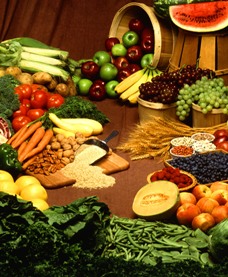
In addition to the observational studies using scores like the DII and EDIP, randomized controlled intervention trials also provide evidence about an anti-inflammatory diet.
- Adding the four components of the Portfolio Diet — viscous fiber, plant protein, nuts and sterols — to a diet low in saturated fat and relatively low in total fat reduced hsCRP by 32% compared to the same diet without those additions, according to an analysis combining seven different trials.
- Mediterranean-style eating patterns reduced hsCRP compared to people’s usual diets or diets after people were instructed on a low-fat or generally healthy diet, especially when analysis of 15 trials was limited to those that lasted at least three months.
The strongest foundation for creating an anti-inflammatory diet comes from the big picture of laboratory studies, observational studies that involve large groups of people, and intervention trials that can control for other potential influences.
◊ ◊ ◊ ◊ ◊ ◊ ◊
For a free tip sheet with 3 key steps for a more anti-inflammatory diet, Click Here.
◊ ◊ ◊ ◊ ◊ ◊ ◊
What Does Research Support as a Target for Anti-Inflammatory Eating?
 Although anti-inflammatory eating habits may differ somewhat between studies, they show several common threads. Create a personalized strategy with choices that fit individual preferences from a mix of these components:
- Foods rich in antioxidants and compounds that support the body’s antioxidant defenses ♦ Vegetables, fruits, whole grains, pulses (dried beans and lentils), nuts and seeds provide antioxidant nutrients and a wide range of polyphenols and other phytochemicals that seem to influence cell signaling and the complex body system of antioxidant enzymes and other elements. Coffee, tea, cocoa and extra virgin olive oil can also contribute compounds that seem to support antioxidant and anti-inflammatory defenses.
- Foods that support health-protective gut bacteria ♦ Certain vegetables, fruits, whole grains, pulses, nuts and seeds contain prebiotics, which means they nurture gut bacteria shown to promote health. Others provide compounds that gut bacteria convert to certain fatty acids and other substances that seem likely to be anti-inflammatory.
- Foods supplying omega-3 fatty acids that are used to produce anti-inflammatory compounds ♦ EPA and DHA are two omega-3 fatty acids found mainly in fish and algae that your body can convert to anti-inflammatory compounds. More research is needed on potential of ALA (the plant form of omega-3s) to counter inflammation, with promising results so far.
Look at your overall eating habits. What proportion of your food choices comes from foods like these?
Can Boosting Healthy Eating Habits Really Deliver?

The crucial question: If you make shifts to improve the healthfulness of your eating habits, can levels of inflammation change?
- Highest diet quality scores among women in the Nurses’ Health Study II linked to lower levels of hsCRP. And women whose diet quality improved the most over 13 years showed an 11 percent drop in hsCRP, whereas women whose diets improved least showed a 16 percent increase in the inflammatory marker.
- For each 10-point improvement in a healthful plant-based diet index — indicating increased consumption of whole grains, vegetables, fruits, pulses, nuts and healthy oils — hsCRP decreased about 18%. That was after adjusting for health and lifestyle factors that could influence inflammation. And even after adjusting for weight and weight change over 13 years, hsCRP still dropped significantly.
⇒Want a free tip sheet – 3 Steps to a More Anti-Inflammatory Diet – with practical ideas based on today’s best evidence?
Get the tip sheet… and get future research updates straight to your email inbox:
Bottom Line on Chronic Inflammation:
Chronic low-grade inflammation promotes development of heart disease, type 2 diabetes and at least some forms of cancer. Medications can tackle individual problems, like high blood pressure and cholesterol, and some can affect background pathways like insulin resistance and inflammation. But with all that success, to promote health in an even broader context, experts are consistent in emphasizing healthy eating habits as the starting point to address inflammation. Evidence shows that changing habits can change inflammation. Find the key puzzle pieces and see how they fit together to make a difference.
Arnett D, K., Blumenthal Roger S, Albert Michelle A, et al. 2019 ACC/AHA Guideline on the Primary Prevention of Cardiovascular Disease. Circulation. 0(0):CIR.0000000000000678.
Baden MY, Satija A, Hu FB, Huang T. Change in Plant-Based Diet Quality Is Associated with Changes in Plasma Adiposity-Associated Biomarker Concentrations in Women. J Nutr. 2019;149(4):676-686.
Chiavaroli L, Nishi SK, Khan TA, et al. Portfolio Dietary Pattern and Cardiovascular Disease: A Systematic Review and Meta-analysis of Controlled Trials. Prog Cardiovasc Dis. 2018;61(1):43-53.
Huang T, Tobias DK, Hruby A, Rifai N, Tworoger SS, Hu FB. An Increase in Dietary Quality Is Associated with Favorable Plasma Biomarkers of the Brain-Adipose Axis in Apparently Healthy US Women. J Nutr. 2016 May;146(5):1101-8.
Jellinger PS et al. American Association of Clinical Endocrinologists and American College of Endocrinology Guidelines for Management of Dyslipidemia and Prevention of Cardiovascular Disease – Executive Summary. Endocr Pract. 2017 Apr 2;23(4):479-497.
Johnson SA, Litwin NS, Seals DR. Age-Related Vascular Dysfunction: What Registered Dietitian Nutritionists Need to Know. J Acad Nutr Diet. 2019. DOI: 10.1016/j.jand.2019.03.016
Li Y et al. Hs-CRP and all-cause, cardiovascular, and cancer mortality risk: A meta-analysis. Atherosclerosis. 2017; 259: 75-82.
Liu C et al. Adiponectin, TNF-α and inflammatory cytokines and risk of type 2 diabetes: A systematic review and meta-analysis. Cytokine. 2016; 86:100-109.
Lopez-Candales A, Hernández Burgos PM, Hernandez-Suarez DF, Harris D. Linking Chronic Inflammation with Cardiovascular Disease: From Normal Aging to the Metabolic Syndrome. J Nat Sci. 2017 Apr;3(4): e341.
Meeuwsen JAL et al. Prognostic Value of Circulating Inflammatory Cells in Patients with Stable and Acute Coronary Artery Disease. Front Cardiovasc Med. 2017; 4:44.
Neale EP, Batterham MJ, Tapsell LC. Consumption of a healthy dietary pattern results in significant reductions in C-reactive protein levels in adults: a meta-analysis. Nutr Res. 2016;36(5):391-401.
Quispe R, Michos ED, Martin SS, et al. High‐Sensitivity C‐Reactive Protein Discordance With Atherogenic Lipid Measures and Incidence of Atherosclerotic Cardiovascular Disease in Primary Prevention: The ARIC Study. J Am Heart Assoc. 2020 Feb 4;9(3):e013600.
Ridker PM. A Test in Context. High-Sensitivity C-Reactive Protein. Journal of the American College of Cardiology. 2016 Feb; 67(6): 712-723.
Ridker PM, MacFadyen JG, Glynn RJ, et al. Comparison of interleukin-6, C-reactive protein, and low-density lipoprotein cholesterol as biomarkers of residual risk in contemporary practice: secondary analyses from the Cardiovascular Inflammation Reduction Trial. European Heart Journal. 2020; 41(31): 2952–2961.
Shivappa N, Wirth MD, Murphy EA, Hurley TG, Hébert JR. Association between the Dietary Inflammatory Index (DII) and urinary enterolignans and C-reactive protein from the National Health and Nutrition Examination Survey-2003–2008. Eur J Nutr. 2019;58(2):797-805.
Tabung FK et al. An Empirical Dietary Inflammatory Pattern Score Enhances Prediction of Circulating Inflammatory Biomarkers in Adults. J. Nutr. 2017; 147(8):1567-1577.
Wang A, Liu J, Li C, et al. Cumulative Exposure to High-Sensitivity C-Reactive Protein Predicts the Risk of Cardiovascular Disease. J Am Heart Assoc. 2017 Oct 24;6(10):e005610.
Pile of puzzle pieces: Olga Popova – Copyright 123rf.com – 150111601
Blood test: angellodeco – Copyright 123rf.com – 39620579
Target: battybadger – Copyright 123rf.com – 147334894
5 Comments
Leave a Comment
Published : October 18, 2017 | Last Updated: June 2, 2022
Tagged: Anti-Inflammatory Diet, Anti-Inflammatory Food, antioxidants, cancer prevention, heart health, inflammation, phytochemicals, polyphenols, reducing cancer risk
Meet the author/educator

Karen Collins
MS, RDN, CDN, FAND
I Take Nutrition Science From Daunting to Doable.™
As a registered dietitian nutritionist, one of the most frequent complaints I hear from people — including health professionals — is that they are overwhelmed by the volume of sometimes-conflicting nutrition information.
I believe that when you turn nutrition from daunting to doable, you can transform people's lives.
Accurately translating nutrition science takes training, time and practice. Dietitians have the essential training and knowledge, but there’s only so much time in a day. I delight in helping them conquer “nutrition overwhelm” so they can feel capable and confident as they help others thrive.
I'm a speaker, writer, and nutrition consultant ... and I welcome you to share or comment on posts as part of this community!


Very interesting and informative article, but I feel like a few key issues are being overlooked in these studies. First of all, any time we talk about diet and reducing inflammation, I think it’s a great idea to mention that a person’s own food sensitivities are the first thing that need to be known and taken into account. All the anti-inflammatory superfoods in the world won’t do any good at all if the person is reactive to one (or more) of them — or if they are reactive to another seemingly healthy food that they continue eating a lot of while incorporating the anti-inflammatory foods into their diet. Food intolerances — which can be discovered through an IgG or an MRT (mediator response) test — can wreak havoc on your immune system and your level of inflammation. It’s best to avoid anything you are sensitive to, even if it is commonly thought to be anti-inflammatory in general.
The second point I would mention is that while a healthy diet is key to keeping inflammation and risk of disease low, other stressors (mental/emotional, physical injury/trauma/ misalignment, and biochemical stressors like pathogens/dysbiosis etc) also keep inflammation high. So, yes, diet needs to be addressed, but it equally important to work on mental/emotional stress management, as well as investigating and addressing physical and/or biochemical stressors as well. Our bodies are intricate systems in which everything affects everything. Any imbalance in any system will cause stress on the whole system (& stress almost always = inflammation). True disease-risk reduction needs to take all forms of stress into account.
I read this comment after reading the news of Mrs Travolta’s tragic passing of breast cancer. I agreed with MMDZ, the first cause of chronic inflammation is psychological burnout – stress from work, grief of losing a love one or job and the pain inflicted by a relationship. Looking after our mental health is as important as managing a healthy diet that suits each individual.
Why is the font so light coloured in this article? It is really straining my eyes to read it.
Thank you for getting in touch, Traci. I’m not sure if the problem is specific to your device, or if it’s a broader problem. I will definitely look into this! Your feedback is much appreciated!
Thanks for sharing this information on inflammation! Great advice with the anti-inflammatory diet.